

 English
 日本語
 Español
 عربى
 Deutsch
 Français
 Personal Wipes
 Baby Wipes
 Health Care & Medical Wipes
 Household Wipes
 Pet Wipes
 Industrial & Automotive Wipes
 Biodegradable Wipes
 Cotton Buds and Pads
A dry SAP granule can absorb 200 to 500 times its mass in deionized water, yet only 30 to 60 times in 0.9% saline. That gap is the first thing a serious buyer...
Product Categories
Industrial & Automotive Wipes Manufacturers
In industrial production, efficient cleaning and maintenance are of great significance, and industrial wipes have emerged as a result. They are specifically designed for industrial scenarios and are capable of handling complex dirt. Industrial wipes are made of tough materials, mostly using special non-woven fabrics, which are wear-resistant and not easy to be damaged. Their cleaning ingredients are powerful, with professional solvents and active agents added, which can quickly dissolve oil stains, cutting fluids, dust, etc. For example, the stubborn oil stains generated during machining can be easily removed with a gentle wipe. Meanwhile, some industrial wipes have anti-rust and anti-static functions, which can protect the equipment and extend its service life. These products usually come in large-sized and large-capacity packaging, which is economical and practical. Whether it is for the daily cleaning of the workshop or the maintenance of equipment, industrial wipes can provide convenient and efficient cleaning solutions, improve the cleanliness of the production environment, and contribute to the smooth progress of industrial production.
About Us
Zhejiang StarryApex Biotechnology Co., Ltd.
Zhejiang StarryApex Biotechnology Co., Ltd. is a high-tech enterprise specializing in the development, production and sales of wet wipes.
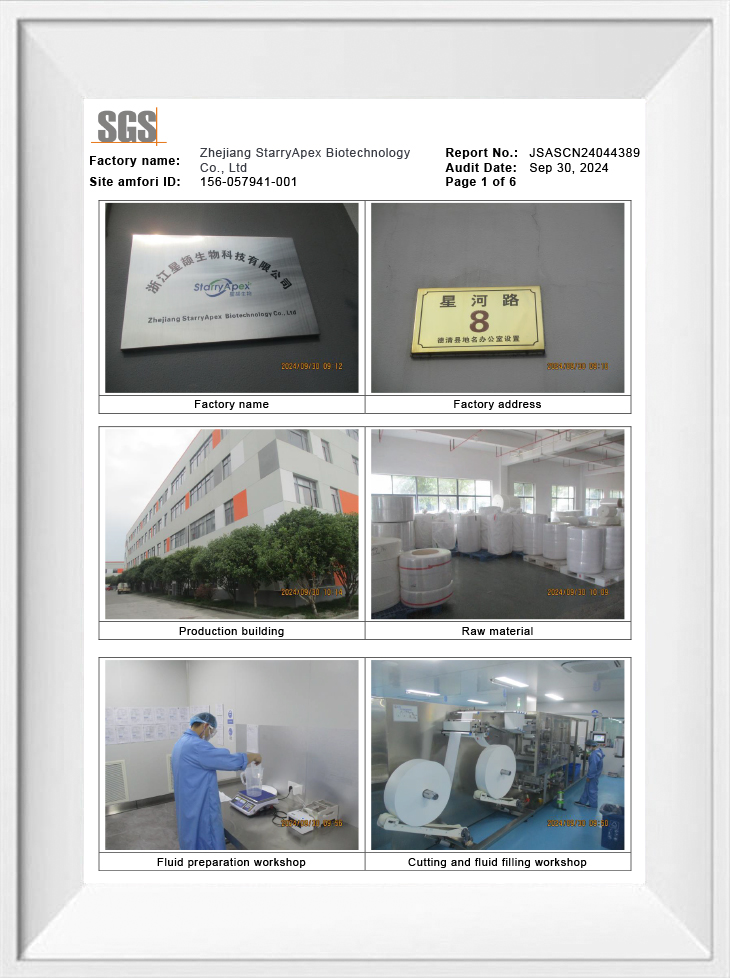
As China Industrial & Automotive Wipes Manufacturers and OEM/ODM Industrial & Automotive Wipes Factory .The company is located in Huzhou, Zhejiang Province, with 100,000 purification workshop and advanced fully automated production line, committed to providing global customers with safe, efficient and environmentally friendly wipes product solutions.
Equipped with professional laboratory, continuous innovation of formula and process.
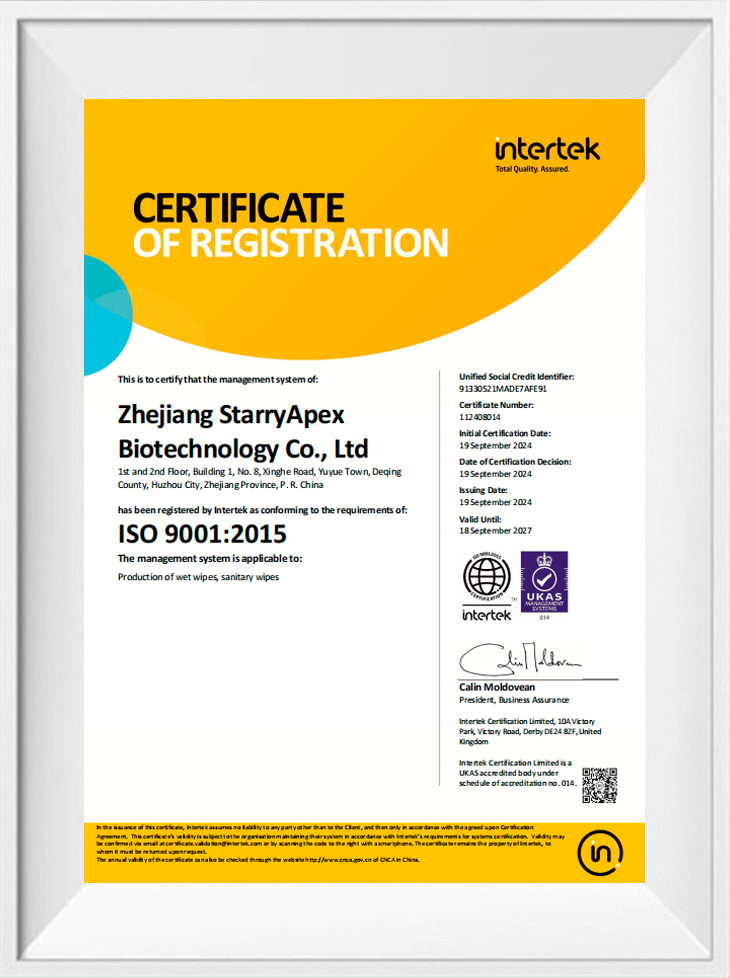
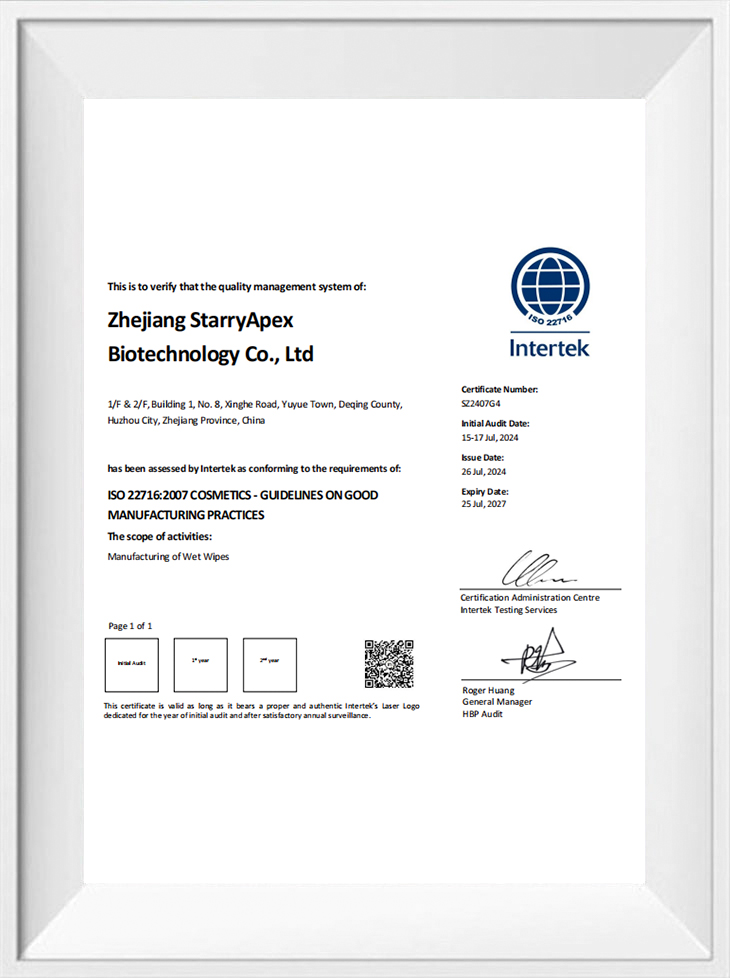
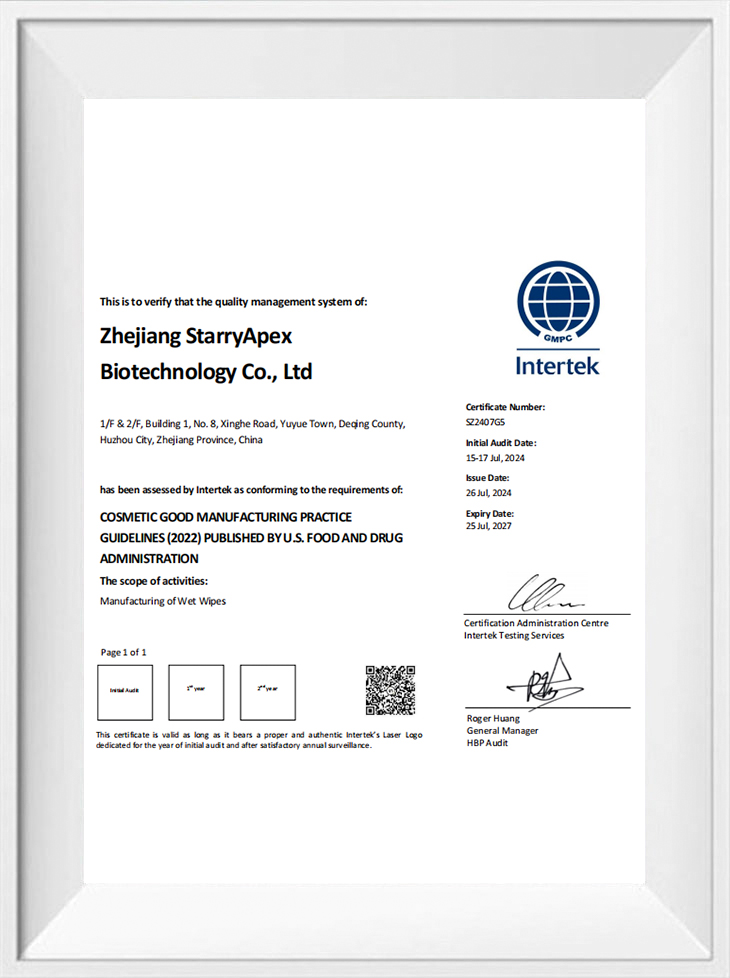
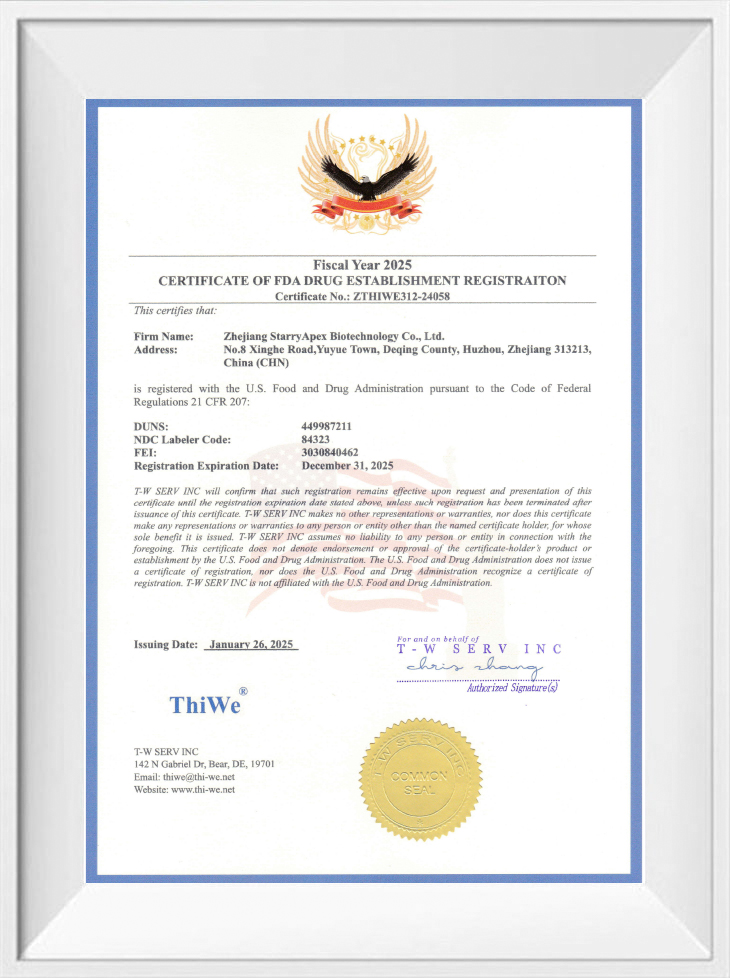
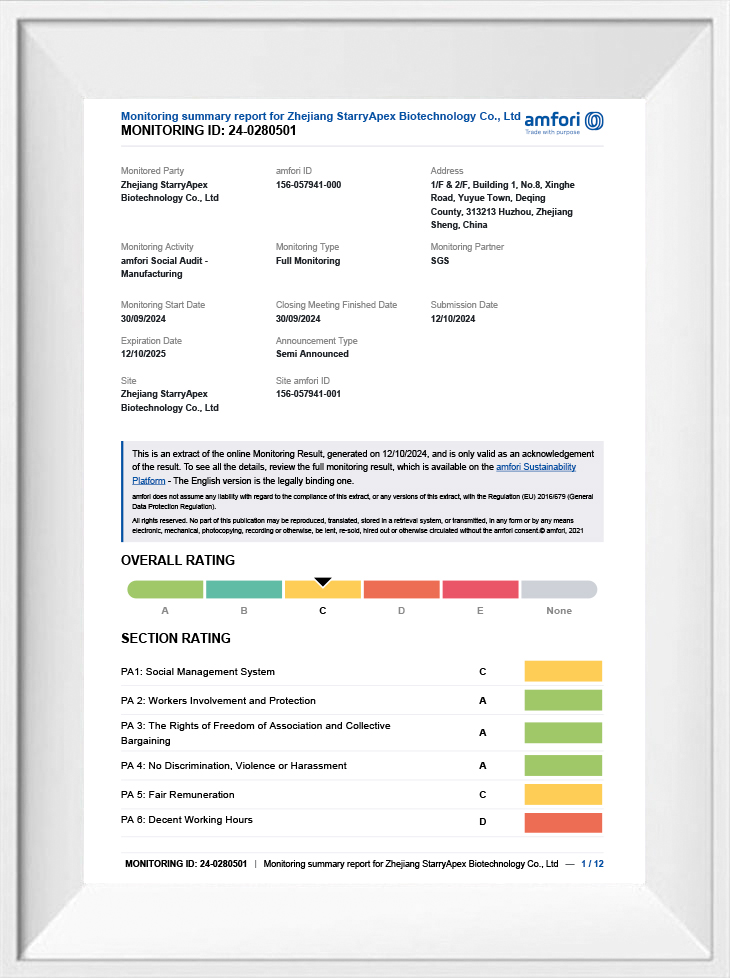
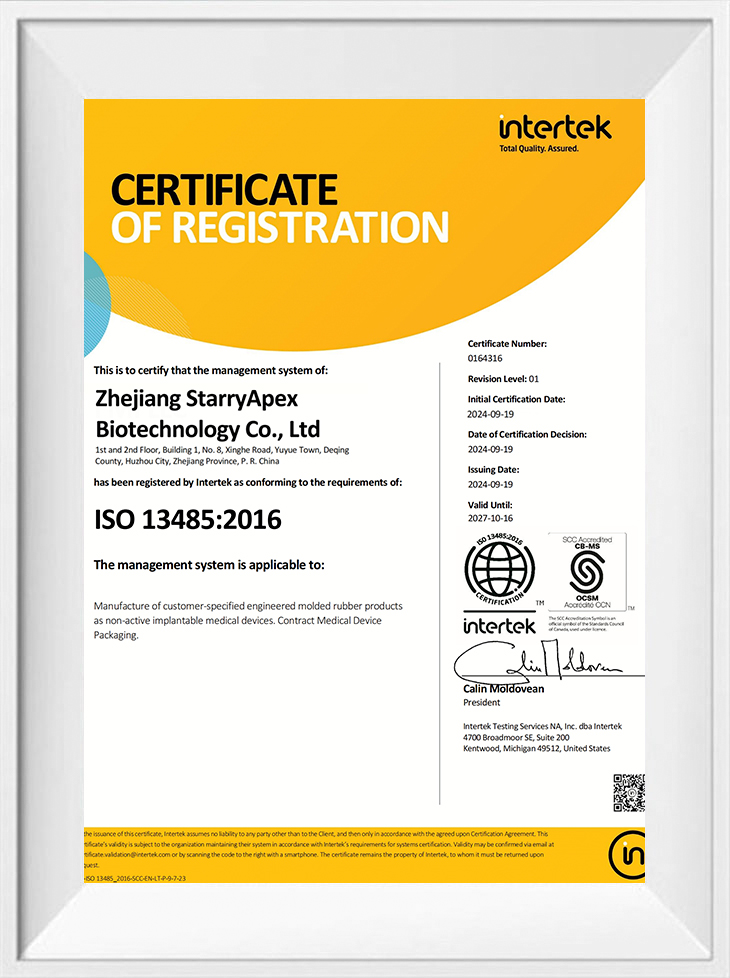
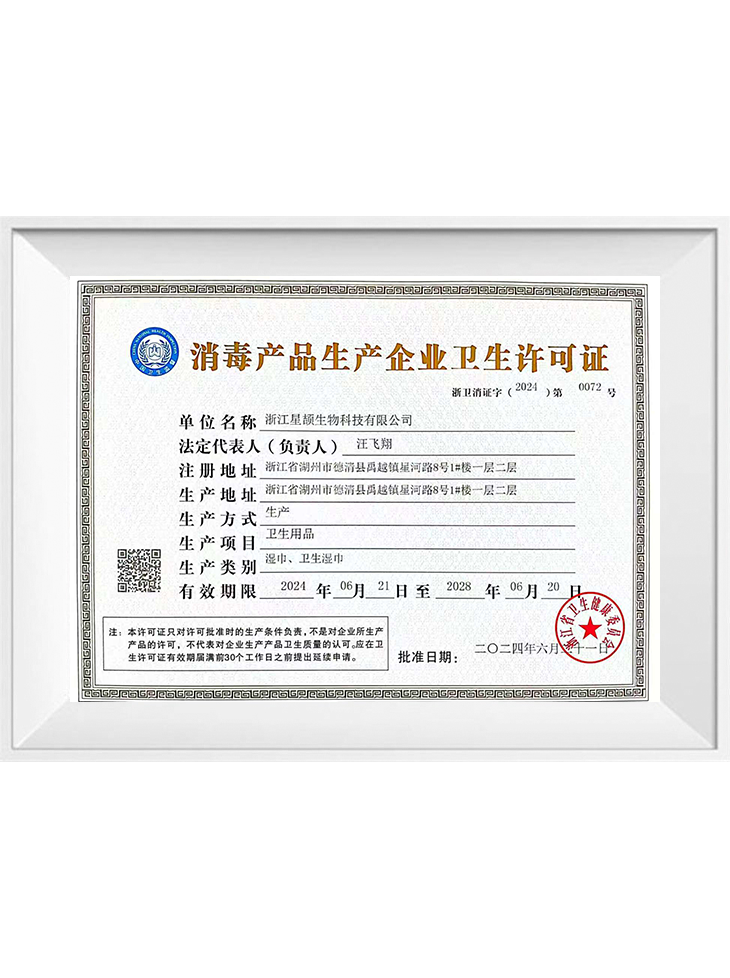
The factory has passed ISO9001, ISO22716, FDA, GMPC, ISO13485, BSCI and other certifications, the use of medical grade clean workshop and EDI ultra-pure water treatment to ensure product safety and no irritation.
Launched degradable non-woven fabrics, pure water formula and other green products, in line with international environmental regulations.
Products are exported to Europe, the United States, the Middle East, Southeast Asia and other countries, serving well-known maternal and child brands/chain stores/medical institutions and other customers, with stable quality and rapid response to win market trust.
Certificate of Honor
News & Blogs
-
-
Two wet wipes can leave the same line carrying the same lotion and still feel like different products in a customer's hand. The variable sits in the sheet und...
-
A single disposable diaper holds roughly 12 to 15 grams of superabsorbent polymer, about a tablespoon of white granules that can soak up 300 times their own w...
Industrial & Automotive Wipes Industry knowledge
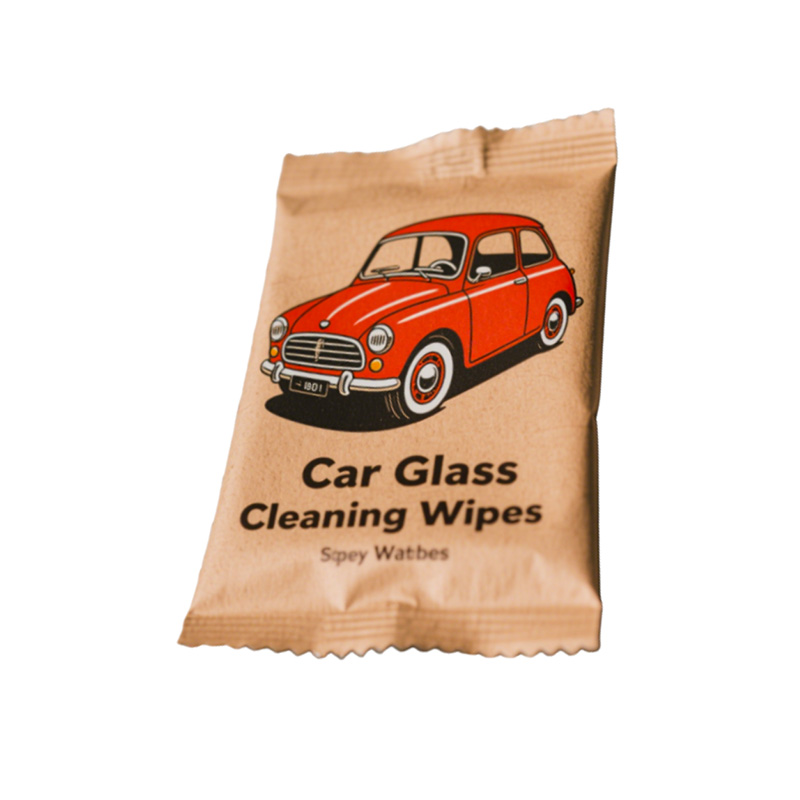
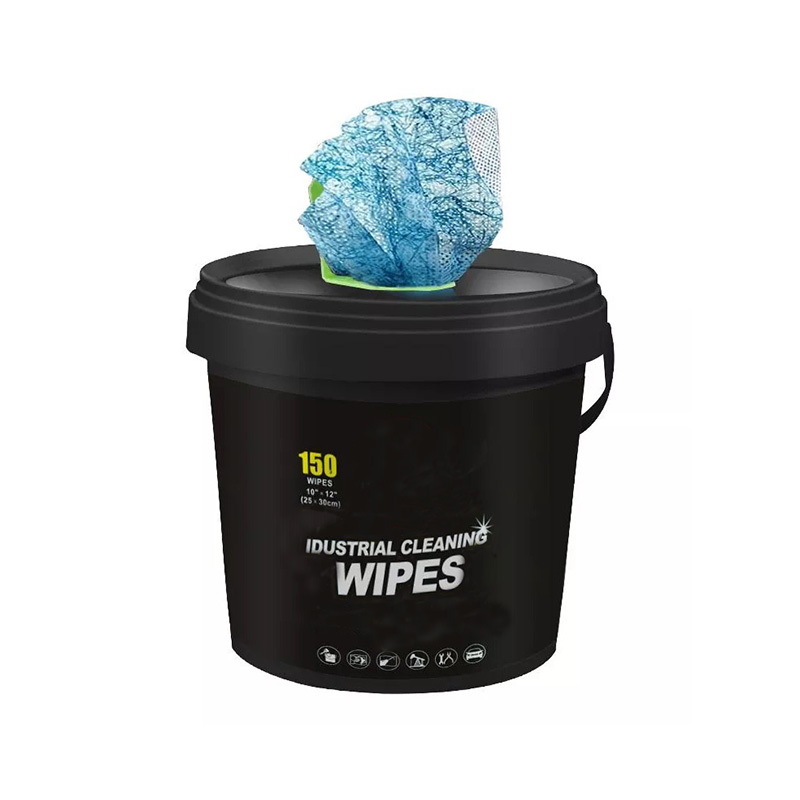
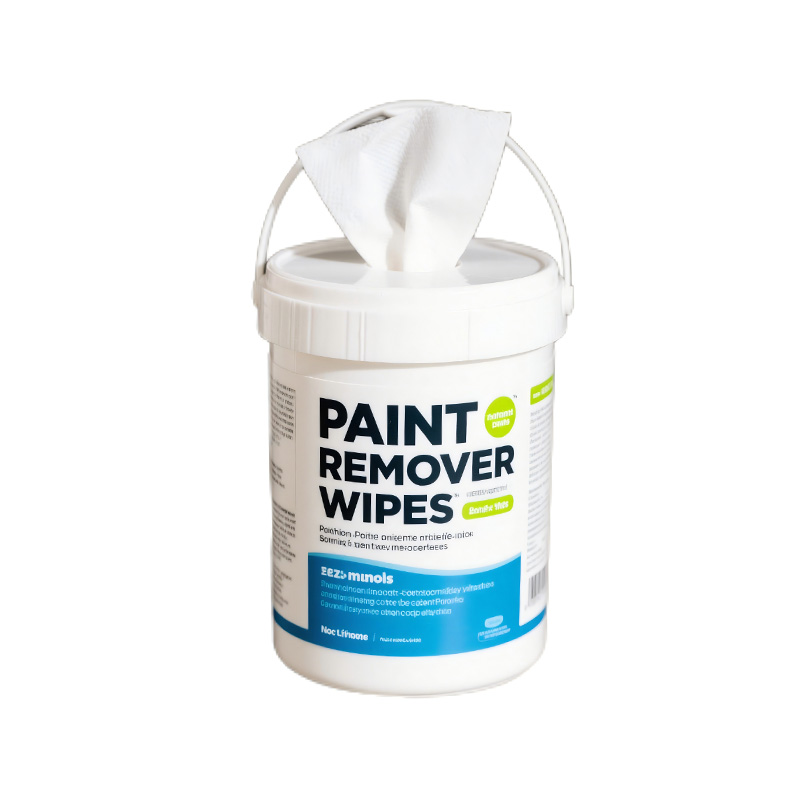
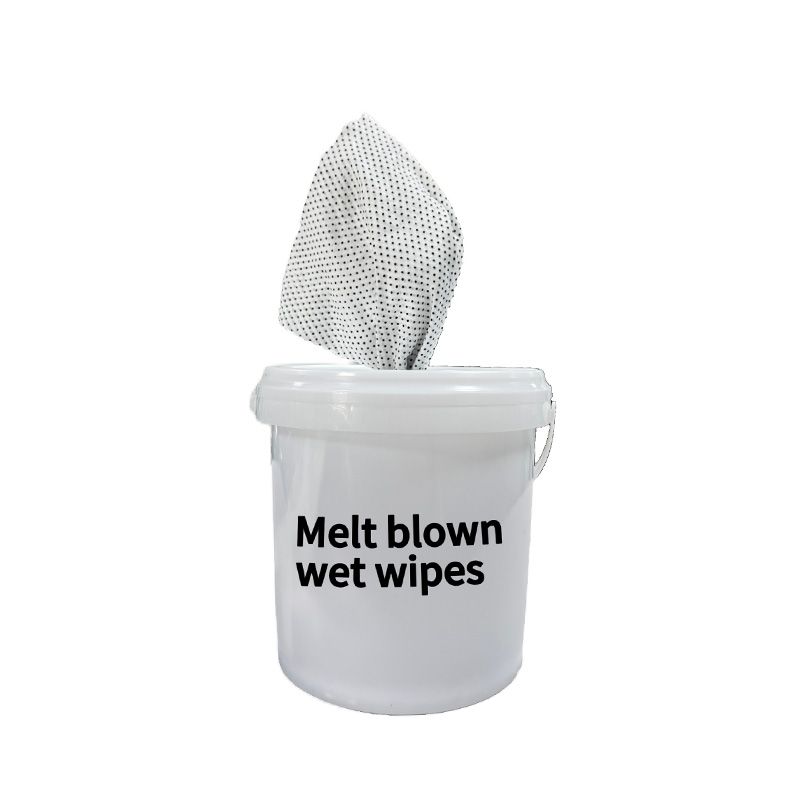
Zhejiang StarryApex Biotechnology Co., Ltd. is a wet wipes manufacturer based in Huzhou, Zhejiang, China, and our Industrial & Automotive Wipes Manufacturers range supplies workshops, paint shops, detailing bays, service depots and equipment maintenance teams. Five products sit in the range — Industrial Wipes, Automotive Glass Wipes, Car Interior Wipes, Paint Removal Wipes and Melt Blown Wet Wipes — all produced in a 100,000-class purification workshop on fully automatic wet wipe lines.
Industrial cleaning is a soil-removal problem before it is a wipe problem. Cured overspray, cutting fluid, grease, adhesive residue, road film, interior plastic dust and glass haze each behave differently on a nonwoven, so we configure substrate, sheet weight, fold, lotion and pack format around a defined working point rather than around one generic sheet.
The Five Products in the Range
Each item answers a different cleaning task. The table sets out where each product fits, the construction direction we normally propose and the pack formats available.
| Product | Where it fits | Construction direction | Typical formats |
|---|---|---|---|
| Industrial Wipes | Machine tools, production cells, electronic assembly benches; oil, resin, adhesive residue, soldering flux | High-strength spunlace or industrial fabric; optional anti-rust and anti-static additives | Single sachets, soft packs, canisters |
| Automotive Glass Wipes | Windscreens, mirrors, instrument glass, lamp lenses; road film, insect residue, interior haze | Low-lint melt-blown or fine spunlace with a fast-evaporating lotion system | Sachets, canisters, jumbo rolls |
| Car Interior Wipes | Dashboards, trim, seats, consoles, door cards; dust, fingerprints, light grease | Soft spunlace with low-residue finish for painted and moulded plastics | Soft packs, canisters, single wipes |
| Paint Removal Wipes | Overspray on frames, floors, tools and fittings; fresh drips and long-cured paint | Soft but abrasion-resistant sheet carrying a paint-softening lotion | Single wipes, soft packs |
| Melt Blown Wet Wipes | Screens, precision surfaces, electronics and hand or face cleaning at the workstation | Fine-fibre melt-blown web that traps dust and oil without shedding debris | Sachets, canisters, soft packs |
Detailed specification sets are published on our Industrial Wipes, Automotive Glass Wipes and Paint Removal Wipes product entries.
Substrates, Embossing and Lotion Direction
Fibre blend and bonding route decide what the sheet does under load: tensile strength in the direction of the wipe, lint release, absorbency, and how evenly the lotion leaves the web and lands on the surface. We work from a stocked set of nonwoven directions and narrow them against the soil and the substrate being cleaned.
- Spunlace with viscose and polyester, for a soft hand and good lotion release
- Melt-blown web for low-lint, high-filtration wiping on glass, screens and precision parts
- Industrial fabric, thermal-bond and spunbond grades for aggressive mechanical wiping
- Woodpulp and flushable grades where absorbency or disposability drives the choice
- 100% viscose or bamboo, cotton and black bamboo charcoal options for biodegradable programs
Sheet patterns are chosen at the same stage: EF, honeycomb, pearl, plain or rhombus embossing change thickness, grip and how the pack feels when a technician pulls a sheet. Lotion chemistry follows the surface — a degreasing formulation for machine oil is not the same system as a plastic-safe interior cleaner or a paint-softening fluid, and each is checked against the intended substrate before a batch is released.
Specifications Fixed Before a Line Starts
A wipe that performs on a test bench and fails in a workshop usually differs in one of six parameters. We lock these before the first production run so the repeat order matches the approved sample.
- Substrate and grammage — fibre blend, bonding route and gsm against the required wet strength
- Sheet geometry — cut length and width, fold pattern and stack count per pack
- Lotion load — add-on ratio as a percentage of dry sheet weight, which governs wet feel, dwell time and pack weight
- Chemistry limits — solvent strength against painted panels, clear coat, polycarbonate, anodised aluminium and printed boards
- Seal and pack — film structure, seal window, lid or resealable label, and the evaporation loss the pack must survive
- Identification — batch coding, artwork version and market-specific label text
Because ten fully automatic bagged wet wipe lines run in parallel, launch quantities and repeat volumes can be scheduled on separate lines without re-tooling the whole plant.
Cleanroom Production and Water Control
Production runs in a 100,000-class purification workshop of nearly 10,000 square metres, using imported automated production and testing equipment. Water used in formulation passes an EDI ultra-pure water system, which keeps the lotion base consistent from batch to batch and limits the impurities that cause residue on glass and painted surfaces.
Microbiological control is routine rather than periodic: air settling bacteria in the clean area, colony counts on work surfaces and operator hand hygiene are monitored weekly in the in-house laboratory. This control loop supports the ISO9001, ISO22716, GMPC, ISO13485, FDA and BSCI certifications held by the factory.
Quality Control and Acceptance Checks
Quality control is organised around the parameters that fail in service, not around a visual check at the end of the line. Incoming nonwoven is verified against the approved substrate, lotion is batched to a recorded formula, and the finished pack is checked against the agreed specification.
- Wet weight per pack and lotion distribution across the stack
- Sheet count, cut dimensions and fold alignment
- Seal integrity and pack tightness after filling
- Tensile behaviour and lint release on the specified substrate
- Microbiological status of the finished product
For project approval we run the trial on the surface the wipe will actually meet — a clear-coated test panel, a coated lens, a machined steel coupon — and hold the approved sample as the reference for later batches. Biodegradable nonwoven options and pure-water formulations are available where the destination market sets environmental requirements.
Packaging Formats and Private Label
Pack format is part of the product in this category: a workshop wants a canister it can leave on a bench, a detailing kit wants a sachet that fits a glovebox, and a distributor wants a soft pack that stacks on a shelf. We supply the range in the formats below and build the artwork to the customer brand.
- 5 L and 10 L canisters, plus standard canister wipes for bench and bay use
- Jumbo rolls for high-consumption maintenance points
- Single wipes and sachets for toolboxes, vehicles and field service
- Soft packs in large and small counts, including 7, 10, 20, 72 and 80 sheets
OEM and ODM programs cover material selection, lotion development, pack design, pack size and functional positioning. Our design and R&D team works from the customer brief to a documented sample, and packaging artwork, colour and label text are approved before the print run.
Information We Use to Configure Your Solution
A proposal is only as precise as the working point behind it. These are the inputs that let us fix substrate, lotion, sheet size and pack in one pass:
- The soil to be removed — grease, cutting fluid, overspray, flux, road film, dust
- The surface touched — clear coat, painted plastic, glass, anodised metal, screen or PCB
- Chemistry constraints — VOC limits, plastic compatibility, paint-shop restrictions, fragrance or silicone limits
- Sheet size, grammage, fold and required lotion add-on
- Pack format, sheet count, lid type and artwork files
- Destination market and the label or documentation language required
- Annual volume, call-off pattern and first delivery date
Send these as a short brief and our team returns a configuration with substrate recommendation, lotion direction, pack structure and a quotation on the requested quantity. Where a soil or surface is unusual, a sample wipe is produced in the laboratory before the commercial run.
From Sample to Repeat Order
A project normally moves through laboratory sample, customer trial, specification sign-off, first production run and repeat supply. Throughout that sequence the same substrate, lotion formula and pack specification are carried forward, so the second order matches the first and the pack reaching a workshop in Europe, the Middle East or Southeast Asia behaves as it did on the approval bench.
Product documentation, artwork proofs and delivery scheduling are handled with the order, and our export experience covers Europe, the United States, the Middle East and Southeast Asia. The wider Industrial & Automotive Wipes Manufacturers range is produced alongside our other wipe categories on the same cleanroom lines, which helps distributors consolidating several wipe lines into one shipment.
Frequently Asked Questions
Which wipes do you manufacture for industrial and automotive use?
We manufacture five: Industrial Wipes for machine and assembly cleaning, Automotive Glass Wipes for windscreens and lenses, Car Interior Wipes for trim and plastics, Paint Removal Wipes for overspray and paint residue, and Melt Blown Wet Wipes for low-lint precision cleaning. Biodegradable nonwoven versions can be built into any of them.
Can we specify the substrate, sheet size and lotion?
Yes. Substrate, grammage, cut size, fold, embossing pattern, lotion chemistry and add-on ratio are all set at configuration stage. We hold spunlace, melt-blown, woodpulp, thermal-bond, spunbond, industrial fabric, cotton, charcoal and biodegradable viscose or bamboo directions, with EF, honeycomb, pearl, plain and rhombus embossing.
What pack formats can you supply?
5 L and 10 L canisters, standard canister wipes, jumbo rolls, single wipes, and soft packs in large or small counts including 7, 10, 20, 72 and 80 sheets. Film structure, lid type and resealable label are chosen against the evaporation loss the pack has to survive.
How do you control lint and scratching on glass and painted panels?
Through substrate selection and lotion compatibility. Melt-blown web is proposed where lint is critical, while softer spunlace is used on painted or moulded interior surfaces. We trial the wipe on the representative surface — clear-coated panel, coated lens or glass — and hold the approved sample as the batch reference.
Do you offer biodegradable or reduced-plastic options?
We produce biodegradable nonwoven wipes from 100% viscose or bamboo, along with cotton and pure-water formulations, to meet international environmental requirements in the destination market. The biodegradable route is specified at configuration so it does not change the cleaning performance agreed for the application.
What do you need to prepare a quotation?
The soil and the surface to be cleaned, any chemistry limits such as VOC or plastic compatibility, sheet size and grammage, pack format and count, artwork status, destination market, annual volume and first delivery date. With that brief we confirm substrate and lotion direction, pack structure and price for the quantity requested.
Related Products and Categories
Our portfolio also includes Our Products, Rinse Free Bath Sponges, Cooling Wipes for applications with different operating ranges, interfaces or integration requirements.
Contact Details
- Address: No.8 Xinghe Road ، Yuyue Town ، Deqing County ، Huzhou City ، Zhejiang Province ، China.
- Tel: +86 572 8035939
- Email: sylvia@starryapex.com
Products
Quick Link
News Center
Mobile terminal
Zhejiang StarryApex Biotechnology Co., Ltd. ALL RIGHT RESERVED.
 Industrial & Automotive Wipes Manufacturers
The information provided on this website is intended for use only in countries and jurisdictions outside of the People's Republic of China.
