

 English
 日本語
 Español
 عربى
 Deutsch
 Français
 Personal Wipes
 Baby Wipes
 Health Care & Medical Wipes
 Household Wipes
 Pet Wipes
 Industrial & Automotive Wipes
 Biodegradable Wipes
 Cotton Buds and Pads

Content
- 1 Wipes packaging is a barrier system, not a printed bag
- 2 Common wipes packaging structures and where they fit
- 3 Pack format changes the buying decision
- 4 Seal and fill-line performance decide whether the pack works
- 5 Sustainability claims depend on material compatibility
- 6 A practical sourcing checklist for wipes packaging
- 7 Frequently asked questions about wipes packaging
For buyers, the practical question is not which film is cheapest per kilogram. It is which structure holds the formula for the target shelf life at the target fill weight, on the target filling line, with the target lid and label.
Wipes packaging is a barrier system, not a printed bag
Packaging controls moisture loss, active loss, contamination, and dispensing, so film choice follows formula and use case. A baby wipe with a mostly water formula has different priorities from an alcohol wipe or a medical surface wipe.
Water loss is often the first failure. A film with poor moisture vapor transmission can let a pack feel dry before the stated shelf life. High-alcohol formulas add solvent attack, aroma loss, and seal compatibility to the list. Fragrance and preservative systems can also migrate into sealant layers or interact with adhesives.
- Check moisture vapor transmission against the water content and shelf life target.
- Check chemical compatibility with alcohol, surfactants, acids, or disinfectants.
- Check seal strength after the lotion has had time to wet the seal area.
- Check reclosure life with the actual lid, label, or tape used on the pack.
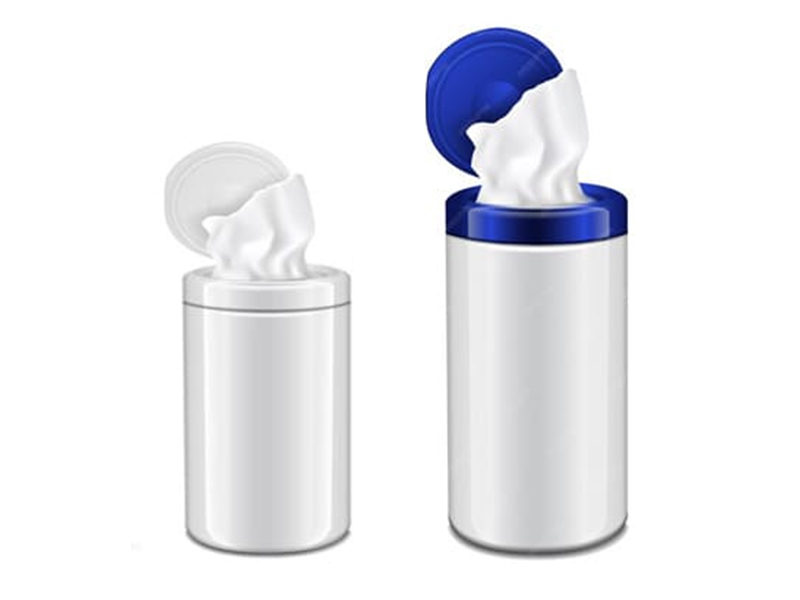 Custom 75% Alcohol Wet WipesCustom 75% alcohol wipes use nonwoven carriers and multiple pack formats; assess them alongside film barrier and seal compatibility.View Product →
Common wipes packaging structures and where they fit
PP, PET/PE, OPP/PE, aluminum foil/PE, and PE each solve a different balance of cost, stiffness, barrier, and print quality. The material name alone is not enough; layer order and sealant grade decide how the pack performs.
| PP film | Good stiffness and print | Flat packs and flow wraps | Lower moisture barrier than foil structures |
| PET/PE laminate | Strong print and moderate barrier | Premium flat packs and canisters | Check seal compatibility with the lotion |
| OPP/PE laminate | Gloss and fold resistance | Sachets and sample packs | Sharp folds can stress seals |
| Aluminum foil/PE | High moisture, light, and aroma barrier | Alcohol wipes and medical wipes | Higher cost and weaker recycling fit in some streams |
| PE film | Flexible and low cost | Refill packs and bulk formats | Lower stiffness and print crispness |
| Mono-material or paper-based | Recyclability or fiber story | Brand-led wipes ranges | Barrier and heat-seal performance must be validated |
A useful specification sheet names film thickness, layer order, sealant type, moisture vapor transmission, and any migration test. Many wipes laminates sit in the 70 to 110 micron range, but the final gauge is set by pack size, drop test, and shelf life target.
Pack format changes the buying decision
Flat packs win on shelf density and cost, while tubs and canisters win on reclosure, perceived value, and one-hand dispensing. The format should be chosen with the filling line and the retail channel in the same conversation.
Flat pack
Efficient for shelf space, cartons, and high-speed flow wrapping. Watch seal wrinkles, label placement, and stack pressure during transport.
Tub or canister
Stronger reclosure and a premium shelf presence. Watch lid fit, label adhesion, drop performance, and the extra cost of rigid parts.
Sachets suit samples and travel sizes. Flow wrap suits high-speed production and single-use packs. Refill packs can reduce rigid plastic, but they need a clear fill, open, and reseal sequence for the user.
Seal and fill-line performance decide whether the pack works
Most wipes packaging failures start at the seal, not the film, because lotion contamination, wrinkles, or heat variation create channels. A neat-looking seal can still leak after the pack has been compressed in a carton.
Qualification should connect packaging to manufacturing controls, not leave it as a purchasing document. The line needs a seal window, a cooling step, and a check method that production staff can repeat.
- Confirm the formula: pH, alcohol, surfactant, fragrance, preservative, and fill temperature.
- Set the seal window: temperature, pressure, dwell time, and cooling before handling.
- Stress the pack: drop, compression, reclosure, and accelerated aging tests.
- Lock the line: film roll lot, seal settings, and in-process checks.
Reclosure is a separate system. A label with weak adhesive or a misaligned lid can turn a good film into a dry wipe at the end of the pack, even when the seal itself is sound.
Sustainability claims depend on material compatibility
A recyclable or bio-based packaging claim only holds if the film, label, lid, and wipe substrate are handled as one system. The wipe inside the pack matters too, because disposal advice usually covers the whole item.
Can support recycling, but heat seal and stiffness often need proof.
Useful for brand goals, but food-contact and odor controls still apply.
Good fiber story, yet moisture and seal performance need testing.
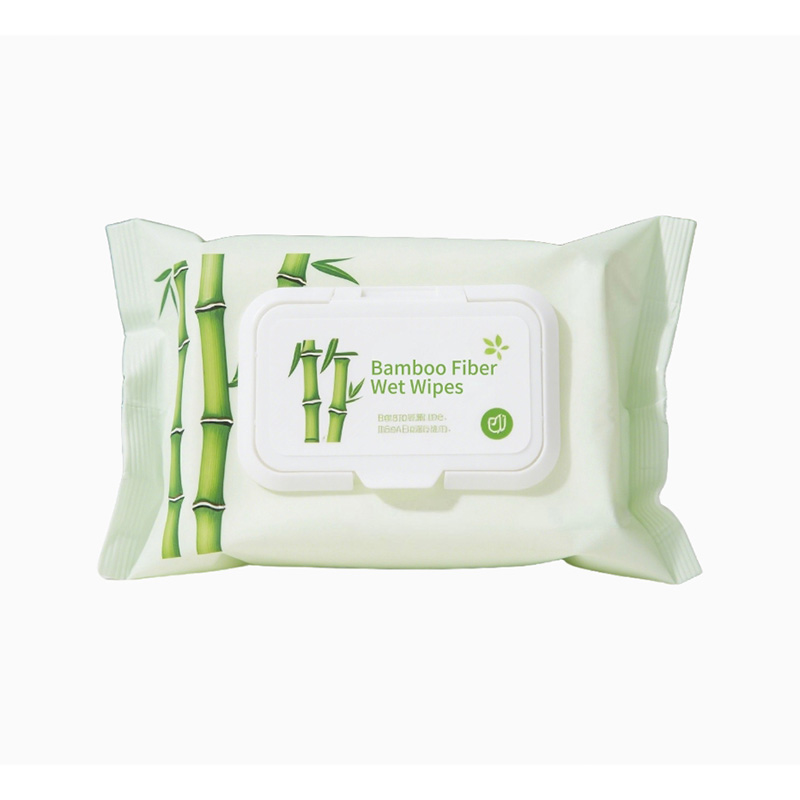 Custom Bamboo Fiber Biodegradable Wet WipesThese custom bamboo-fiber wipes are presented as biodegradable and gentle; verify base material, moisture retention, seal performance, and disposal claims.View Product →
If the brand has a sustainability program, ask for the base material, add-on components, expected disposal path, and the test data behind any compostable or recyclable claim. A clear claim is easier to defend than a broad green message.
A practical sourcing checklist for wipes packaging
Approve packaging with a written specification, a filled-pack test, and a clear change-control rule before the first production run. That package should travel with the purchase order, not sit in an email thread.
- Film structure, layer order, and thickness
- Sealant grade and validated seal window
- Lid, label, and reclosure test result
- Migration and formula compatibility data
- Shelf-life test and accelerated aging result
- Artwork registration tolerance and roll direction
 99% Pure Water Baby WipesThese fragrance-free baby wipes use purified water and skin-friendly nonwovens; assess pack specification, filled-pack performance, and protection for a low-preservative formula.View Product →
For a 99 percent pure water wipe, the pack must protect a low-preservative formula without introducing odor or taste. That is a packaging and fill-line question, not only a marketing claim.
Frequently asked questions about wipes packaging
What is the most common material for wipes packaging?
PET/PE and OPP/PE laminates are common for flat packs, while PP and PE appear in tubs, canisters, and refill formats. The final choice depends on barrier target, fill line, and shelf life.
Can wipes packaging be customized?
Yes. Film structure, sealant, lid, label, sachet shape, and outer carton can all be customized, but each change should be tied to a filled-pack validation rather than artwork approval alone.
Which packaging suits biodegradable wipes?
Match the pack to the disposal route. Mono-material or paper-based options can work, but moisture barrier, seal strength, and local acceptance must be proven before a claim is printed.
What should private label buyers ask before a run?
Ask for the film specification, seal window, reclosure life, migration data, shelf-life test, artwork tolerance, and change-control rules. These details prevent surprises after the first shipment.

