

 English
 日本語
日本語 Español
 عربى
عربى Deutsch
 Français
 Personal Wipes
 Baby Wipes
 Health Care & Medical Wipes
 Household Wipes
 Pet Wipes
 Industrial & Automotive Wipes
 Biodegradable Wipes
 Cotton Buds and Pads
Content
Super absorbent polymer is the reason a thin baby diaper can hold several hundred milliliters of liquid and still feel dry against the skin. In plain terms, a super absorbent polymer (SAP) is a cross-linked, water-loving material, most often sodium polyacrylate, that soaks up and locks in 30 to 60 times its own weight in urine-like fluids under real use conditions, and several hundred times its weight in pure water. Unlike cotton or fluff pulp, which hold liquid loosely, SAP turns absorbed fluid into a gel and keeps it there even under pressure. This article covers how the chemistry works, how SAP is manufactured, which specifications matter in procurement, where the material is used, and how it relates to the wipes and nonwovens that sit alongside it in hygiene product lines.
What Is a Super Absorbent Polymer?
Nearly all commercial SAP starts with acrylic acid, a small molecule that is partially neutralized with sodium hydroxide and then polymerized into long chains. A small dose of crosslinker joins those chains into a three-dimensional network, which you can picture as a microscopic fishing net. When water reaches a SAP granule, osmotic pressure drives liquid inward while negatively charged carboxylate groups along the chains bind water molecules. The crosslinks prevent the chains from drifting apart and dissolving, so the granule does not dissolve; it swells into a soft, stable gel that traps liquid in place.
The distinction that matters in practice is retention rather than simple absorption. Cotton and wood pulp absorb only a few times their weight and release liquid when squeezed, while SAP gels hold fluid even under load, which is exactly what a sitting baby or a bedridden patient requires. Industry body EDANA notes that these polymers can absorb up to 300 times their weight in aqueous fluids, and commercial hygiene grades are engineered to balance capacity against strength under pressure. In trade circles the material is also known by the nickname slush powder.
How Super Absorbent Polymer Is Made
The dominant production route is gel polymerization. Partially neutralized acrylic acid is mixed with a crosslinker and an initiator and polymerized in bulk; the reaction yields a rubbery gel slab that is chopped, crushed, dried, ground, and sieved into granules of controlled particle size. Many producers finish with a surface-crosslinking step that hardens each granule's outer layer and markedly improves absorption under pressure. Two alternative routes, solution polymerization and suspension polymerization, produce different particle morphologies, from irregular fine powders to relatively uniform spherical beads.
SAP reaches the market in three forms: granules and particles for diaper and pad cores, absorbent fibers that blend directly into nonwoven webs, and pre-formed gels for specialty uses. Granules dominate because they mix readily with fluff pulp and let formulators tune performance simply by adjusting the blend ratio.
Where Super Absorbent Polymer Is Used
Baby and adult hygiene
Disposable diapers remain the largest application by a wide margin. A typical core combines fluff pulp with roughly 5 to 15 grams of SAP granules depending on diaper size, and SAP ratios have climbed for years as brands chase thinner products. Because a baby sits and moves on the core, absorbency under load matters more than free-swell capacity. The core handles the fluid; skin health at change time depends on the products used alongside it, which is why diapering programs pair the core with gentle diaper wipes.
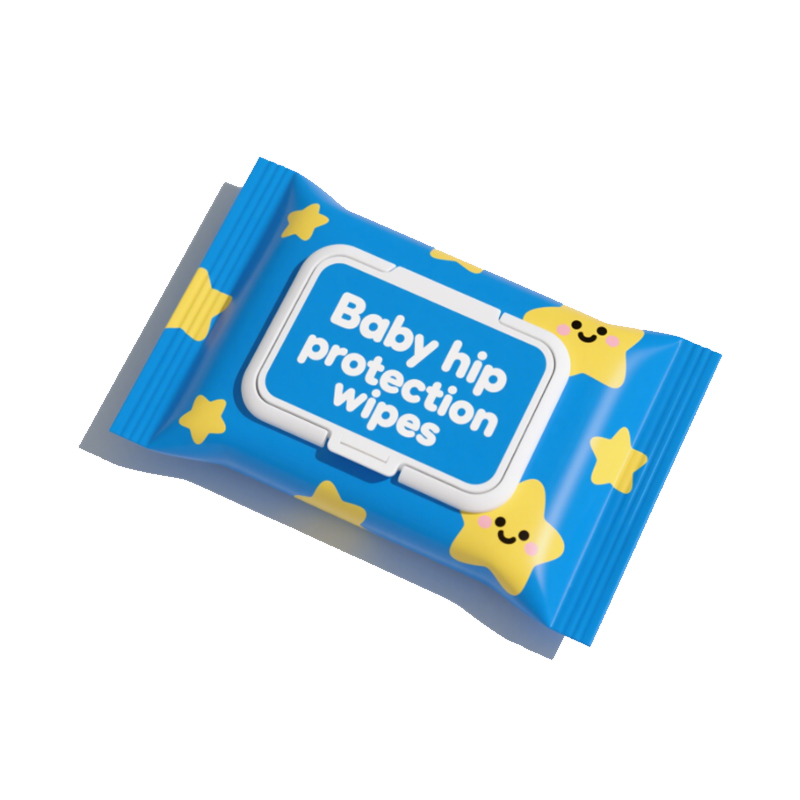 Baby Hip Protection Wet Wipes for Gentle Diaper ChangesMade from soft spunlace non-woven fabric with purified water, aloe vera, and marigold extract, these alcohol-free wipes clean delicate skin at change time and help prevent diaper rash, complementing absorbent diaper cores.View Product →
Adult incontinence care
Adult briefs, pads, and underpads push SAP ratios higher still, because users sit or lie down for long stretches and need liquid locked away from fragile skin to limit irritation and control odor. Retention under sustained pressure is the specification that separates a strong core from a weak one, and the skin-care consumables used during changes are part of the same system rather than an afterthought.
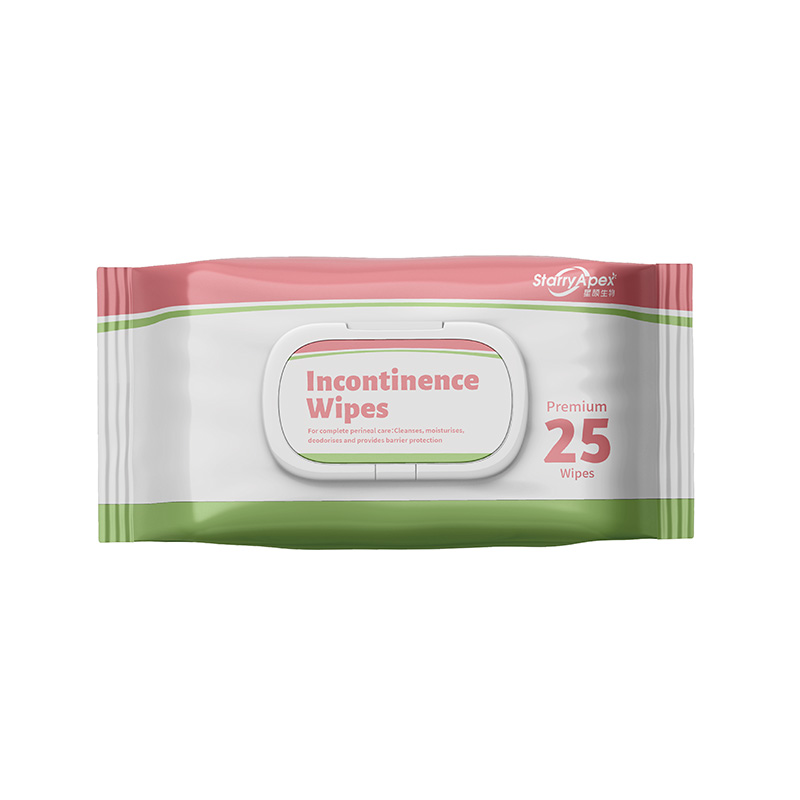 Incontinence Wipes for Gentle Skin Cleansing and CareThese pH-balanced, skin-friendly wipes remove stains, inhibit bacteria, and control odor while aloe vera and chamomile soothe skin, making them an essential companion to adult incontinence products during care routines.View Product →
Medical and healthcare applications
In wound care, SAP-based dressings absorb large volumes of exudate while keeping the surrounding skin dry, reducing the maceration risk that comes with saturated gauze. SAP also appears in surgical underpads, spill solidifiers, and research-stage drug delivery systems. Daily cleansing around a dressed wound calls for dedicated, gentle products rather than general-purpose cleaners.
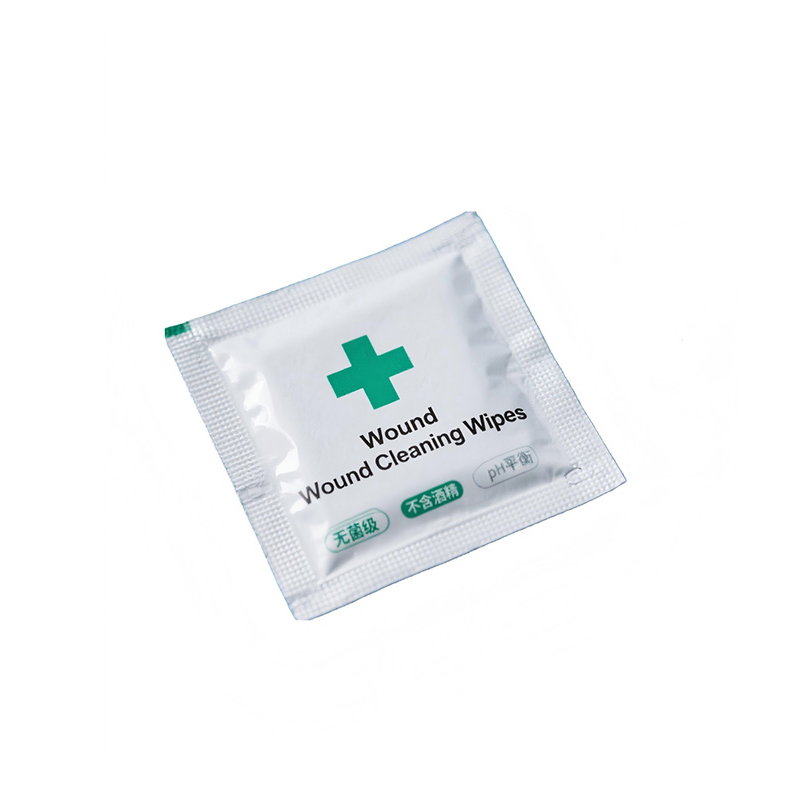 Wound Cleaning Wipes with Gentle Isotonic FormulaUsing an isotonic saline base with mild antibacterial ingredients and soft spunlace fabric, these sterile wipes clean wounds without stinging, supporting safe daily cleansing around dressings and reducing infection risk.View Product →
Industrial, agricultural, and food uses
Beyond personal care, SAP appears in a surprisingly wide set of markets:
- Meat and poultry tray pads that trap drip and keep packaging presentable
- Agricultural soil conditioners that hold rainwater near plant roots in arid climates
- Water-blocking compounds that keep moisture out of telecom and power cables
- Solidification of liquid waste, from medical biohazards to construction slurries, before transport
One limitation is worth remembering: conventional acrylic SAP absorbs water-based liquids, not oils or fuels, so it is the wrong tool for hydrocarbon spills.
Key Specifications Buyers Should Evaluate
Free-swell capacity on its own is a misleading purchasing metric. A grade that absorbs 60 grams of saline per gram in a beaker can still perform poorly once a baby compresses the core, so procurement teams should read specification sheets with end-use conditions in mind.
| Specification | What It Measures | Typical Range for Hygiene Grades |
|---|---|---|
| Free swell absorbency (0.9% saline) | Capacity with no external pressure, in grams of fluid per gram of polymer | Around 30-60 g/g |
| Absorbency under load (AUL) | Capacity while compressed; the number that predicts real-world performance | Around 15-25 g/g at 0.7 psi |
| Residual acrylic acid monomer | Unreacted monomer left in the granule; a safety and skin-compatibility metric | Commonly kept below roughly 500 ppm |
| Particle size distribution | Granule size consistency; affects blending uniformity and dust generation | Grade-specific, often 100-800 microns |
| Moisture content | Water carried in the granule; affects storage stability and flow | 5% or less |
Request a certificate of analysis for every lot, and third-party test reports when the application is medical. Particle size consistency matters as much as headline capacity, because it determines how evenly SAP blends with pulp and how much dust a production line generates.
How SAP Relates to Wipes and Nonwovens
A common point of confusion is worth clearing up: wet wipes do not contain SAP. Their absorbency comes from the fiber substrate, since spunlace nonwovens dominate consumer wipes while melt-blown layers serve industrial and oil-absorption niches, and from the liquid formulation. For a closer look at how those structures differ, see this comparison of melt-blown versus spunlace wet wipes.
SAP enters the wipes world at the edges: composite absorbent pads, dry wipes that swell on contact with water, and medical absorbent products where substrate and polymer work together. Buyers benefit from evaluating the two material systems on their own merits but sourcing them from partners who understand both. A wipes manufacturer operating certified cleanrooms under ISO 9001, ISO 22716, and ISO 13485 frameworks will bring different controls to an absorbent medical product than a commodity converter would.
Safety, Biodegradability, and Disposal
In consumer products, SAP sits inside an enclosed core and does not contact skin directly, and hygiene-grade specifications cap residual acrylic acid monomer at low levels. The material is not intended for consumption, so loose granules should be stored away from children and pets. Decades of use in hygiene products have built a well-documented toxicological profile for this purpose.
Environmental questions are more complicated. Conventional acrylic SAP is not readily biodegradable, which is why SAP-containing products belong in solid waste rather than the toilet. Research continues on biodegradable alternatives, including starch-grafted polyacrylates, cellulose-based networks, and other modified natural polymers, but these have not yet displaced acrylic grades in mainstream cores. If your product roadmap leans toward lower-impact materials, biodegradable wipes built on cotton, bamboo fiber, and regenerated cellulose substrates offer a practical parallel path today.
Practical Takeaways
- Match the SAP grade to the mechanical load of the application; AUL predicts diaper and incontinence performance better than free-swell numbers.
- Demand lot-level certificates of analysis covering residual monomer, moisture, and particle size before approving a supplier.
- For medical applications, add cleanliness and bioburden requirements and confirm the scope of the supplier's quality system.
- Treat absorbent cores and adjacent skin-care consumables, such as wipes, as one coordinated system when building a hygiene line.
- Plan end-of-life guidance into product design, because SAP-containing items should never be flushed.
Super absorbent polymer looks like an unremarkable white powder, but its performance is created in the details: crosslink density, particle size, and honest test data. Buyers who verify those details, and who source adjacent products from manufacturers with proven cleanroom and certification credentials, end up with hygiene programs that perform in the field as well as they do on paper.

