

 English
 日本語
日本語 Español
 عربى
عربى Deutsch
 Français
 Personal Wipes
 Baby Wipes
 Health Care & Medical Wipes
 Household Wipes
 Pet Wipes
 Industrial & Automotive Wipes
 Biodegradable Wipes
 Cotton Buds and Pads
Content
A pack of wipes that leaves a baby's skin calm after a diaper change, removes makeup without stinging, and breaks down naturally after disposal usually shares one trait: the fabric is made from cotton. Cotton wet wipes are the benchmark for gentle cleansing because cotton fiber is soft, highly absorbent, and plant-based, qualities that polyester-rich spunlace fabrics used in many conventional wipes cannot match. Whether you are choosing a pack for your family or building a private label range, the practical questions are the same: what qualifies as a cotton wet wipe, how it differs from blended materials, where it performs best, and which specifications deserve a close look before you commit to a supplier.
What Counts as a Cotton Wet Wipe
Every wet wipe is built on a nonwoven substrate, and the substrate determines most of the wipe's performance. A genuine cotton wet wipe uses a fabric in which cotton is the dominant fiber, ideally 100%, typically produced by carding cotton fibers into a web and bonding it with high-pressure water jets, a process known as hydroentanglement or spunlacing. Because the fibers are mechanically entangled rather than glued with synthetic binders, the fabric stays soft while keeping enough wet strength to survive a firm wipe.
The category does contain gray areas. Many products described as "cotton-soft" or offering a "cotton feel" contain little or no cotton at all; they are polyester or polypropylene fabrics engineered to imitate the hand feel of cotton. Regenerated cellulose fibers such as viscose and lyocell are plant-derived and blend well with cotton, so a cotton-viscose fabric can still be fully biodegradable, but the fiber ratio should be stated on the specification sheet. Texture is another variable: plain, pearl, and embossed surfaces all exist, and the choice affects cleaning grip and perceived softness more than material performance itself.
For a concrete reference point, manufacturers such as StarryApex produce 100% cotton wet wipes alongside bamboo fiber and viscose alternatives, which makes material differences easy to compare on paper before you request samples.
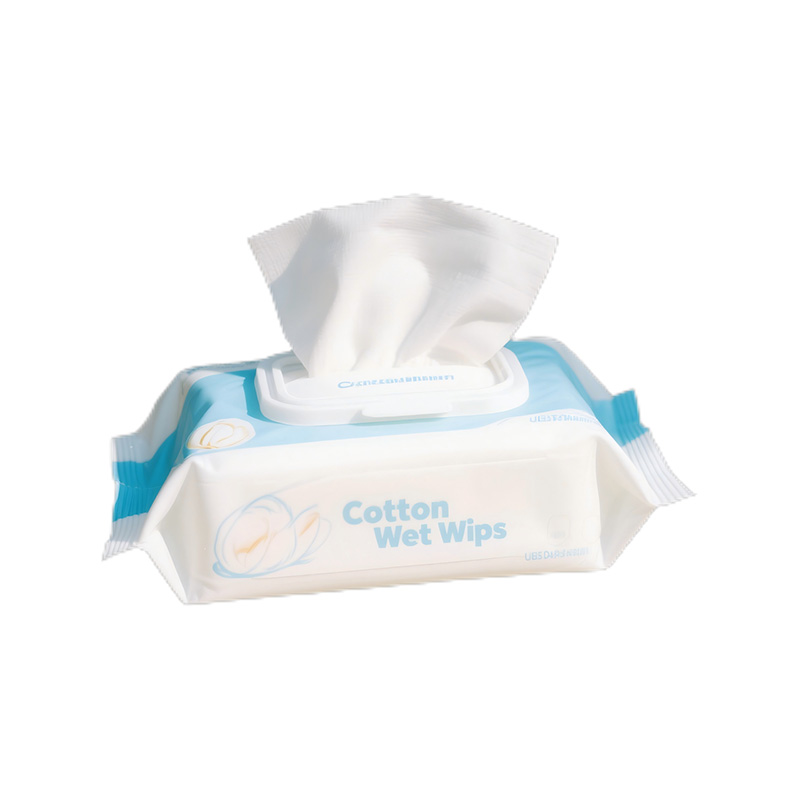 100% Cotton Wet WipesMade of pure cotton with strong absorption and no added fragrances, alcohol, or fluorescent agents, these gentle wipes suit sensitive skin, from newborn care to daily facial and hand cleansing.View Product →
Why Cotton Performs Differently
Skin Compatibility
Cotton is a natural cellulose fiber with a soft, rounded staple structure. Against skin, it produces low friction and a low irritation potential, which is why cotton-based products are so common in newborn care and dermatology settings. This matters most for groups with thinner or more reactive skin barriers: infants, people with eczema-prone skin, postpartum mothers, and elderly people receiving daily care. A cotton substrate also pairs naturally with minimalist formulas, purified water and a mild preservative system, reducing the total number of ingredients that touch the skin.
Absorbency and Cleaning Efficiency
Cotton cellulose is strongly hydrophilic and can absorb several times its own weight in liquid. In practice, the solution is held within the fabric and released evenly as you wipe, so one cotton wipe typically covers more surface area than a synthetic equivalent that lets liquid pool or run off. The fiber's natural grip also lifts residue such as food, milk, or diaper cream more effectively than a slicker fabric, which reduces the need for repeat passes and fewer wipes used per task.
End-of-Life Behavior
Because cotton is a plant fiber, microorganisms can digest it. A 100% cotton fabric will biodegrade in composting or soil environments, while polyester blends fragment into persistent microplastics. This is a material fact rather than a marketing claim, and it is the main reason cotton has become the substrate of choice for environmentally positioned wipe lines.
Where Cotton Wet Wipes Earn Their Place
Baby Care
Diaper changes, cleaning hands and faces after meals, and quick cleanups during travel are the classic use cases, and cotton's tolerance for frequent use on delicate skin is the deciding factor. Many parents also look for cotton within organic product ranges; for label reading at this age group, a dedicated guide to choosing safe baby care wipes walks through ingredients, certifications, and packaging details worth checking.
For eco-conscious families, cotton-based options such as organic baby wipes combine a plant-based substrate with gentle formulas designed for daily use from birth onward.
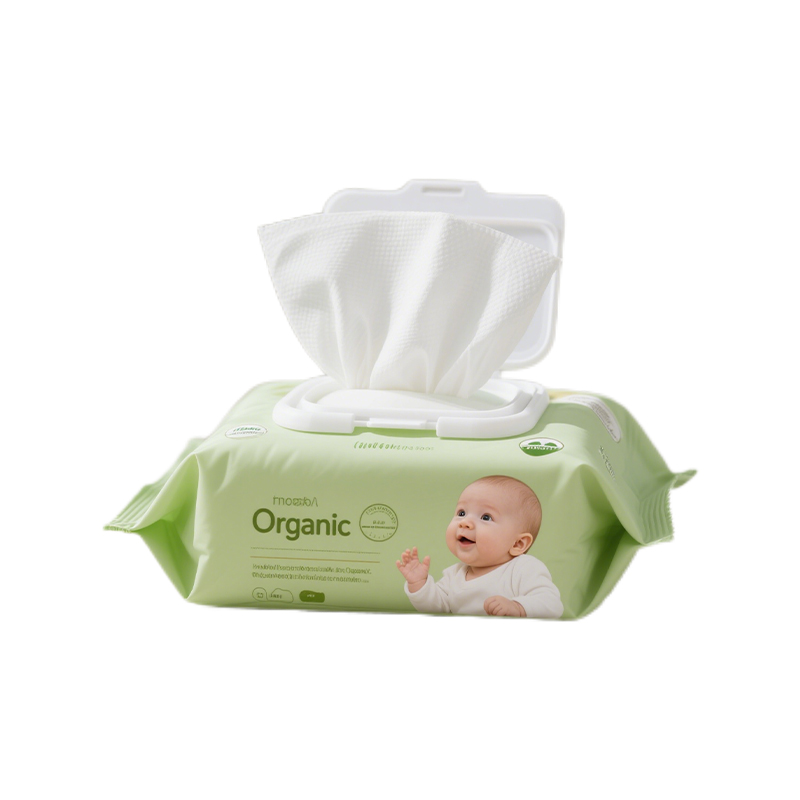 Organic Baby Wipes for Delicate SkinCrafted from organic plant fibers with organic chamomile, marigold, and aloe extracts, these certified wipes gently clean baby skin from birth without alcohol, fragrances, or preservatives.View Product →
Personal Care, Postpartum, and Travel
Adults rely on cotton wipes for makeup removal and touch-ups, postpartum cleansing when a shower is impractical, freshening up after the gym, and full-body cleansing on long flights or camping trips. In all of these scenarios the skin is exposed repeatedly, so the fabric's mildness compounds over time. Fragrance-free and alcohol-free cotton wipes are the safest default for these uses.
Caregiving and Sensitive Contexts
In home care and healthcare settings, cotton-based wipes are used for cleansing bedridden or incontinent patients, where skin integrity is fragile and wiping happens many times a day. Softness, low linting, and a gentle formula matter as much as cleaning power in these routines, and a fabric that stays intact when wet prevents stray fibers from irritating broken skin.
How to Evaluate Cotton Wet Wipes Before Buying
Material choice drives price, feel, and environmental profile, so it is worth comparing the main substrate options side by side before ordering samples.
| Material | Typical Fiber Content | Strengths | Points to Verify |
|---|---|---|---|
| 100% cotton | All natural cotton | Softest feel, highest absorbency, fully plant-based and biodegradable | Price per wipe; request fiber composition documentation |
| Cotton-viscose blend | Roughly 30-70% cotton with viscose or lyocell | Balances softness, wet strength, and cost while staying cellulose-based | Exact blend ratio; confirm no polyester has been added |
| Bamboo fiber | Bamboo-derived cellulose | Fast-growing renewable source with a naturally soft hand feel | Whether the fiber is bamboo viscose; processing certifications |
| Synthetic spunlace | Polyester or polypropylene blend | Lowest cost and high tensile strength | Not biodegradable; weaker on skin-comfort metrics |
Brands that want a renewable, plant-based alternative often benchmark against bamboo fiber wet wipes, which sit closest to cotton in feel while using a rapidly regenerating raw material.
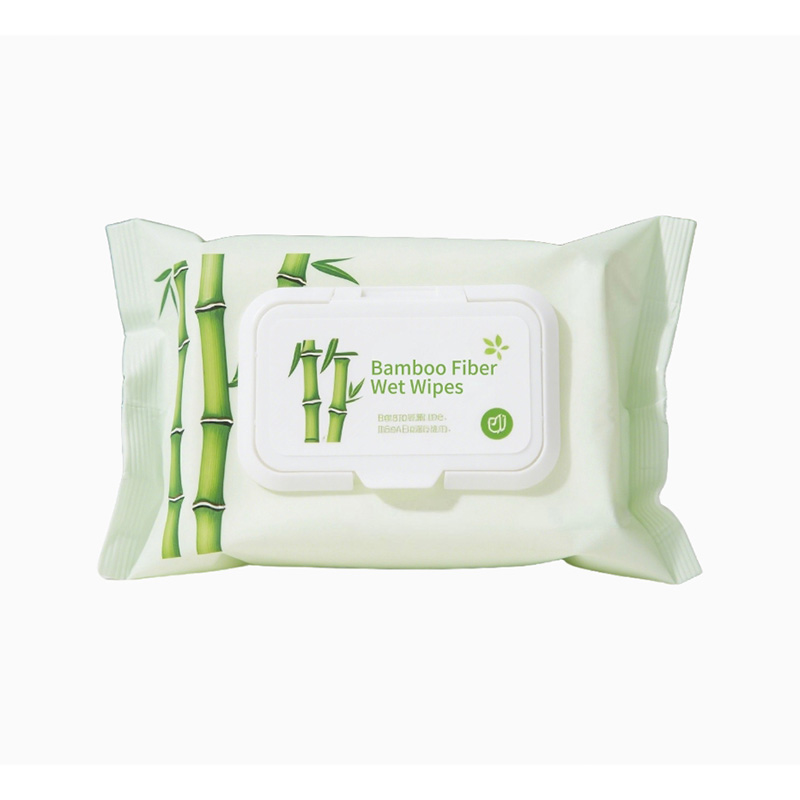 Bamboo Fiber Wet WipesUsing rapidly renewable bamboo fiber with natural antibacterial properties and a soft, absorbent texture, these biodegradable wipes offer a plant-based alternative for face, hands, and surfaces.View Product →
When reviewing supplier proposals or retail packs, run through this checklist:
- Fiber composition, stated as a percentage on the specification sheet rather than implied by packaging wording.
- Liquid formula: a purified water base, no alcohol, no added fragrance, and a mild, well-established preservative system.
- Compliance evidence such as FDA registration, GMPC or ISO 22716 cosmetic manufacturing certification, and skin safety testing.
- Packaging integrity: a resealable lid that genuinely retains moisture across the life of the pack.
- Biodegradability claims supported by recognized standards instead of vague green wording.
- Production environment: cleanroom-class manufacturing reduces microbial risk, which is especially relevant for baby and medical-adjacent lines.
Disposal: What Biodegradable Does and Does Not Mean
Biodegradable does not mean flushable. Even a 100% cotton wipe should go into household or compost waste unless the product is explicitly certified to disperse in water, because wipes of any material are a leading cause of drain blockages. Composting is the fastest route to full breakdown for pure cotton fabrics; in a landfill, degradation slows for all organic materials due to limited oxygen and moisture. Buyers who need precise wording for their markets can consult a detailed guide to biodegradable wipe materials, standards, and disposal methods when drafting product copy, so that claims stay accurate across regions with different regulations.
The Bottom Line
For any task that involves repeated contact with human skin, cotton wet wipes are the strongest default: they combine proven mildness with high absorbency and genuine biodegradability. Blends make sense when cost control matters more than peak softness, while synthetic fabrics belong in household or industrial cleaning where skin contact is minimal. For wholesale and private label buyers, the deciding factors are documentation rather than promises: verified fiber content, formula transparency, recognized certifications, and cleanroom production. Working with an established wipes manufacturer that holds certifications such as ISO 9001, ISO 22716, FDA registration, and GMPC, and that runs medical-grade purification workshops, shortens the path from material selection to a compliant finished product.

