

 English
 日本語
日本語 Español
 عربى
عربى Deutsch
 Français
 Personal Wipes
 Baby Wipes
 Health Care & Medical Wipes
 Household Wipes
 Pet Wipes
 Industrial & Automotive Wipes
 Biodegradable Wipes
 Cotton Buds and Pads
Content
- 1 Understanding Automotive Glass Wipes
- 2 Headlights and Taillights: Materials and Sensitivities
- 3 Are Automotive Glass Wipes Safe for Headlights and Taillights?
- 4 How to Use Automotive Glass Wipes on Vehicle Lights
- 5 Benefits of Using Automotive Glass Wipes on Lights
- 6 Limitations and Considerations
- 7 Alternatives to Automotive Glass Wipes
- 8 Tips for Maintaining Headlights and Taillights
- 9 Conclusion
Keeping a vehicle clean is an essential part of car maintenance, not just for appearance but also for safety. While most car owners are familiar with using automotive glass wipes on windshields and windows, a common question arises: Can these wipes be safely used on headlights and taillights?
Understanding Automotive Glass Wipes
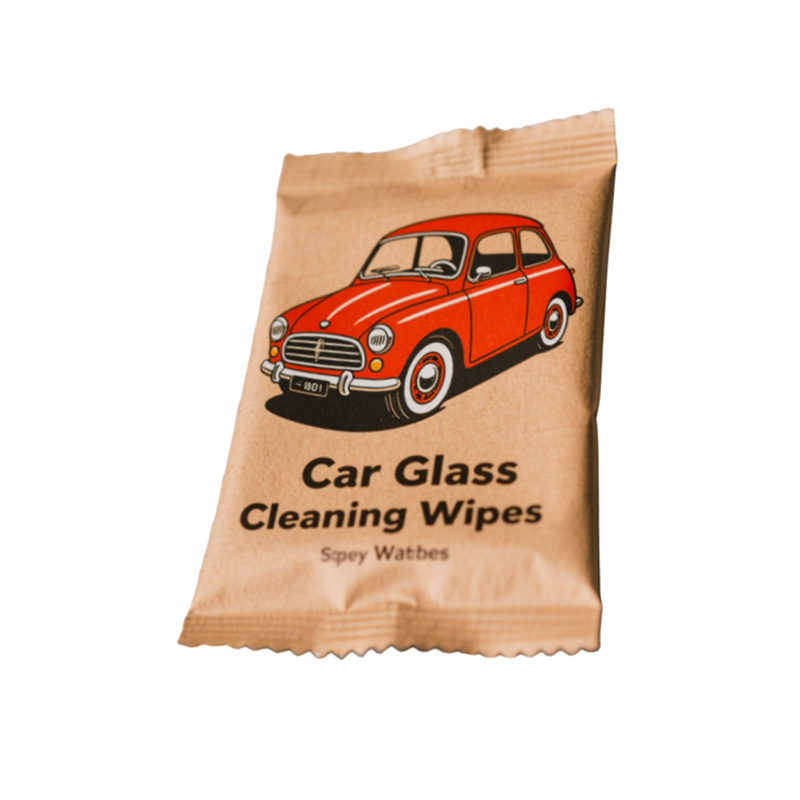
Automotive glass wipes are pre-moistened cloths designed to clean glass surfaces without leaving streaks, scratches, or residue. They are convenient alternatives to traditional liquid glass cleaners and microfiber cloths, especially for quick cleaning tasks. Most automotive glass wipes contain:
- Mild cleaning agents
- Anti-streak formulas
- Occasionally, anti-fog or water-repellent agents
These wipes are primarily formulated for windshields, side windows, and mirrors, but their application can extend beyond glass, depending on the material of the surface.
Headlights and Taillights: Materials and Sensitivities
Modern vehicle headlights and taillights are typically made from polycarbonate plastic rather than glass. This choice offers better durability and resistance to impact, but it also introduces unique cleaning challenges:
- Scratch Sensitivity – Polycarbonate is softer than glass, so abrasive cleaners or rough wiping can cause micro-scratches.
- UV Coating – Many lights have a UV-protective layer to prevent yellowing and hazing. Harsh chemicals can degrade this coating.
- Lens Clarity – Scratches or chemical damage can reduce light output and compromise visibility.
Because of these factors, any cleaning method, including automotive glass wipes, must be chosen carefully.
Are Automotive Glass Wipes Safe for Headlights and Taillights?
The safety of using automotive glass wipes on headlights and taillights depends largely on the formulation of the wipes:
- Mild, Non-Abrasive Wipes: Most standard automotive glass wipes are gentle enough for plastic surfaces. They can remove dirt, dust, fingerprints, and minor smudges without scratching the lens.
- Ammonia-Free Wipes: Some glass wipes contain ammonia, which can damage plastic over time. For headlights and taillights, it’s best to use ammonia-free wipes.
- Anti-Fog or Anti-Streak Formulas: These additives are generally safe for polycarbonate surfaces, though it’s advisable to check the product label.
In general, automotive glass wipes can be used on headlights and taillights if they are non-abrasive and free from harsh chemicals.
How to Use Automotive Glass Wipes on Vehicle Lights
Proper technique is crucial to avoid scratching or damaging the lights:
- Start with a Dry Surface – If possible, remove loose dirt and debris with a soft brush or dry cloth to prevent scratches.
- Wipe Gently – Use light, even pressure and wipe in a single direction rather than scrubbing in circular motions.
- Avoid Excess Moisture – Don’t let the cleaning solution pool around edges or seams, as water can seep inside and damage electronics.
- Buff with a Microfiber Cloth – After using the wipe, finish with a dry microfiber cloth to remove streaks and polish the surface.
- Inspect for Damage – Check for any scratches, clouding, or chemical damage after cleaning. If the lens appears hazy, consider a specialized plastic polish.
Benefits of Using Automotive Glass Wipes on Lights
Using the right type of glass wipe has several advantages:
- Quick Cleaning – Ideal for emergency clean-ups when headlights or taillights are dirty.
- No Streaks – Proper wipes leave the lens clear and bright.
- Safe for Coatings – Ammonia-free wipes won’t degrade UV or anti-fog coatings.
- Convenient – Portable wipes can be kept in the car for on-the-go cleaning.
Limitations and Considerations
While glass wipes are convenient, there are some limitations:
- Not for Severe Oxidation or Yellowing – Wipes can remove dirt but won’t restore heavily oxidized or yellowed headlights. A dedicated headlight restoration kit may be needed.
- Repeated Use Over Time – Frequent use of any chemical-based wipe on plastic may gradually affect clarity or coatings.
- Surface Scratches – Wipes are safe for minor cleaning but cannot repair existing scratches.
For long-term maintenance, it’s recommended to complement wipes with periodic polishing and protective coatings designed for polycarbonate lenses.
Alternatives to Automotive Glass Wipes
For those concerned about compatibility with headlights and taillights, alternative cleaning options include:
- Microfiber Cloths with Mild Soap – Safe and effective for plastic lenses.
- Dedicated Plastic Lens Wipes – Formulated specifically for headlights and taillights.
- Headlight Restoration Kits – Useful for removing oxidation and minor scratches.
- Spray-On Plastic Cleaners – These can be applied with a soft cloth for gentle cleaning.
These alternatives can be combined with automotive glass wipes for routine, light cleaning tasks.
Tips for Maintaining Headlights and Taillights
To maximize the lifespan and clarity of vehicle lights:
- Clean Regularly – Frequent light cleaning prevents buildup of dirt and grime.
- Use Ammonia-Free Products – Avoid harsh chemicals that can damage plastic.
- Protect from UV Exposure – Consider a UV-protective coating to prevent yellowing.
- Avoid Abrasive Tools – Never use rough sponges or scrubbing pads on the lens.
- Check for Moisture – Ensure seals are intact to prevent internal condensation.
Conclusion
Automotive glass wipes can be safely used on headlights and taillights if the wipes are non-abrasive, ammonia-free, and used with proper technique. They provide a convenient, streak-free solution for removing dust, dirt, and fingerprints. However, they are not a substitute for restoration or polishing when lenses become yellowed, oxidized, or scratched. Combining wipes with regular maintenance, gentle cleaning, and protective measures will help keep your vehicle’s lights clear, bright, and safe.

