

 English
 日本語
日本語 Español
 عربى
عربى Deutsch
 Français
 Personal Wipes
 Baby Wipes
 Health Care & Medical Wipes
 Household Wipes
 Pet Wipes
 Industrial & Automotive Wipes
 Biodegradable Wipes
 Cotton Buds and Pads
The Science of Moisture Retention in Organic Wipes
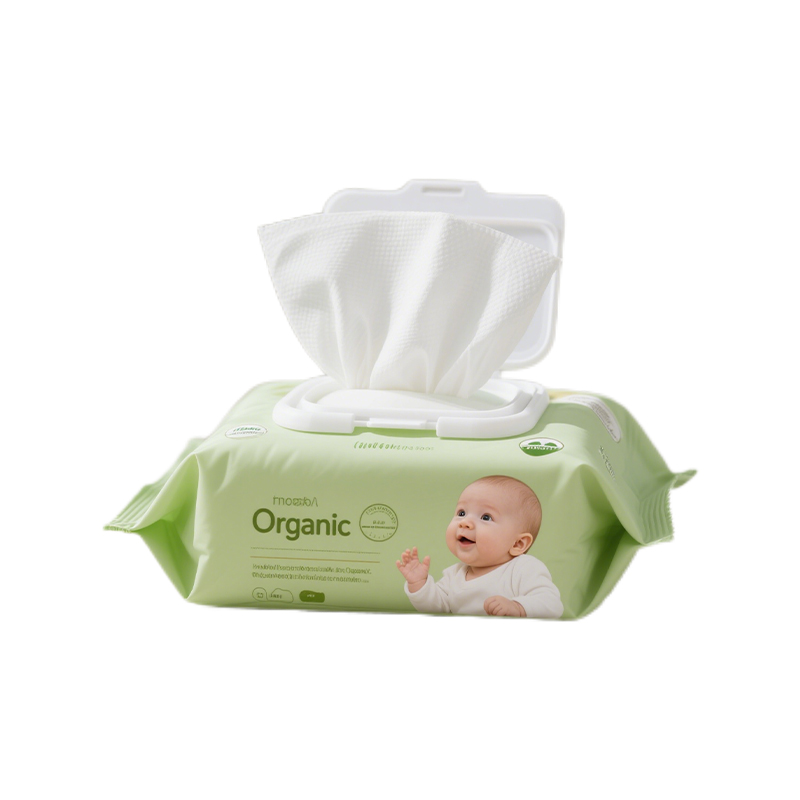
Unlike conventional wipes laden with synthetic preservatives like parabens, organic baby wipes rely on milder, natural humectants and preservatives. This fundamental difference means their storage isn't just about convenience—it's essential for preserving their integrity, safety, and effectiveness. The primary enemies are evaporation, which dries out the wipes, and contamination, which can introduce bacteria or mold into the gentle, often plant-based solution. Proper storage directly counteracts these threats, ensuring every wipe is as soothing and effective as the first one in the pack.
Core Principles for Optimal Storage
Adhering to a few key principles will dramatically extend the usable life and quality of your organic wipes. First is consistent sealing: the package's flap or lid must be firmly pressed closed immediately after use. Second is climate control: wipes are sensitive to their environmental conditions. Third is hygiene: avoiding direct contact with dirty hands or surfaces during extraction prevents contaminating the entire pack. Always store wipes away from direct heat sources like radiators, sunny windowsills, or humid environments like a bathroom shower area.
Step-by-Step Storage Strategies
For Flip-Top Packs and Tub Refills
These are the most common formats. After pulling a wipe, use two fingers to smooth the feeding flap from the center outward before sealing. This removes air pockets and creates a tighter closure. For tubs, ensure the inner plastic diaphragm is resealed under the hard lid. If the original packaging becomes damaged or fails to seal, immediately transfer the wipes to an airtight, clean container. A glass jar or a dedicated plastic wipe container with a strong silicone seal works perfectly.
For Travel Packs and On-the-Go Use
Travel packs are designed for portability but are more vulnerable. Never leave a travel pack in a hot car. For longer outings, consider a small, insulated lunch bag to buffer temperature extremes. If you use a reusable wipe case, clean it thoroughly with mild soap and warm water weekly, and allow it to dry completely before refilling. Only transfer the number of wipes you'll need for the outing to avoid repeatedly exposing your main supply to air.
Reviving Partially Dried-Out Wipes
If your wipes have lost moisture, you can often revive them. Add a small amount of distilled or previously boiled (and cooled) water directly into the corner of the package or container. Gently massage the package to distribute the moisture evenly. Let it sit for a few hours. Avoid using tap water, as its minerals and additives can alter the wipe solution's pH balance and potentially introduce microbes. As a preventive measure, some parents add a few drops of organic aloe vera juice to the pack for an extra moisture boost.
Common Storage Mistakes to Avoid
- Leaving the Flap Open: Even for a short time during a chaotic change, this accelerates drying.
- Storing in Extreme Temperatures: Heat dries them out; freezing can break down the fabric and solution.
- Adding Non-Compatible Liquids: Dousing wipes with oils, lotions, or homemade solutions not designed for the fabric can cause clumping, tearing, and spoilage.
- Overstuffing a Reusable Case: This puts pressure on the seal and can prevent it from closing properly.
- Ignoring the Expiration Date: The organic preservatives have a limited effective lifespan. Using wipes past this date can be ineffective or unsafe.
Environmental Considerations in Storage
Proper storage is also an act of sustainability. When wipes dry out prematurely and become unusable, it results in waste of both the product and the resources used to make it. By maximizing the lifespan of each pack through diligent storage, you reduce your overall consumption. Furthermore, keeping biodegradable wipes properly moist ensures they maintain their structural integrity for their intended use, rather than being discarded unused.
Quick-Reference Storage Guide
| Do | Don't |
| Seal the flap tightly after every single use. | Leave the package open or loosely closed. |
| Store in a cool, dry, shaded place. | Store on a windowsill, near a heater, or in a damp bathroom. |
| Use an airtight container if the original pack is damaged. | Let wipes sit in a torn or broken package. |
| Revive with a small amount of distilled water if needed. | Soak wipes in tap water or other liquids. |
| Keep travel packs in a insulated bag in hot/cold weather. | Leave a travel pack in a hot car or freezing stroller. |
Long-Term Storage and Bulk Purchases
If you purchase organic wipes in bulk, practice stock rotation. Place newer packages at the back of your storage area and use older ones first. Keep unopened packages in a stable, climate-controlled environment like a closet shelf. Avoid storing them in non-climate-controlled garages or basements where temperature and humidity fluctuate wildly. Once the main pack is opened, the clock ticks faster, so only open what you can reasonably use within a few weeks to a month for optimal freshness.

