

 English
 日本語
日本語 Español
 عربى
عربى Deutsch
 Français
 Personal Wipes
 Baby Wipes
 Health Care & Medical Wipes
 Household Wipes
 Pet Wipes
 Industrial & Automotive Wipes
 Biodegradable Wipes
 Cotton Buds and Pads
Content
In the realm of personal hygiene and skincare, especially for parents caring for infants or individuals with sensitive skin, the debate between using commercial “pure water wipes” and the traditional washcloth with water is a common one. On one side, we have the modern convenience of 99% pure water wipes—pre-moistened, single-use cloths marketed as gentle and simple. On the other, the age-old method of a soft washcloth rinsed with clean water. Which is truly better? The answer isn’t one-size-fits-all; it depends on priorities like skin health, environmental impact, convenience, and cost.
Defining the Contenders
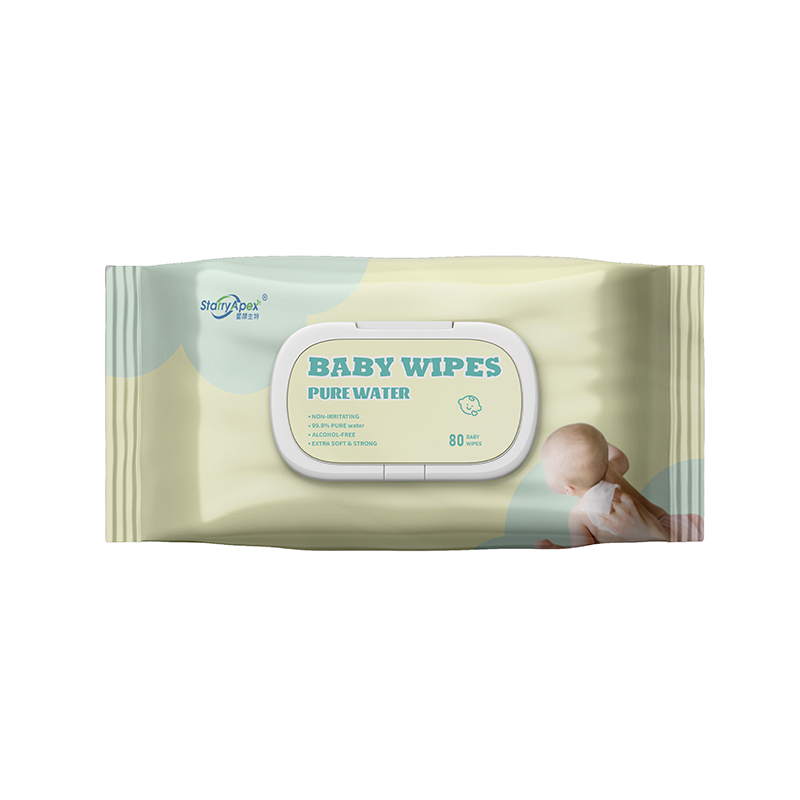
99% Pure Water Wipes: These are disposable, pre-moistened cloths. Despite the name “99% water,” they typically contain 99% purified water and 1% of a gentle fruit extract or skin-safe preservative (like grapefruit seed extract) to prevent bacterial and fungal growth in the package. They are marketed as the purest alternative to traditional baby wipes, free of perfumes, alcohol, and harsh chemicals.
Washcloth and Water: This method involves using a soft, reusable cloth (often cotton, bamboo, or muslin) moistened with plain tap or filtered water. It is the most basic form of cleaning, with no additives whatsoever. The washcloth is laundered after use.
Comparison Factors
1. Skin Health and Gentleness
- Pure Water Wipes: For most people, especially those with eczema or sensitive skin, these wipes are very gentle. The high-purity water and lack of common irritants make them a safe choice. However, the “1%” ingredient, while minimal, can still cause a reaction in rare cases of specific allergies. The material of the wipe itself is designed to be soft but may have a slightly different texture than a cotton cloth.
- Washcloth and Water: This is the gold standard for hypoallergenic cleaning. You control exactly what touches the skin: water and a fabric you’ve chosen. This eliminates any risk of reaction to preservatives or extracts. The gentle physical exfoliation of a soft cloth can also help clean pores. The critical factor here is the laundry detergent used to wash the cloth; a fragrance-free, gentle detergent is essential to maintain the method’s purity.
Verdict: For absolute minimalism and control, washcloth and water wins, provided laundry is handled correctly. For convenience without significant irritants, pure water wipes are an excellent, gentle alternative.
2. Cleaning Efficacy
- Pure Water Wipes: They are effective for routine cleaning and mild messes. The slight moisture and textured cloth work well. For stubborn, sticky, or oily messes (common in diaper changes), some users find they need to use multiple wipes or apply more pressure, as water alone isn’t always a powerful solvent for fats and proteins.
- Washcloth and Water: Warm water can be more effective at breaking down certain types of messes than room-temperature wipe solution. You can also control the saturation—a well-wrung, warm cloth can provide a more thorough clean with a single wipe. The reusability means you can have a larger cloth surface area to work with.
Verdict: For tough messes, warm water and a washcloth often have a slight edge. For standard cleanup, both are effective.
3. Environmental Impact
This is the most stark difference.
- Pure Water Wipes: Despite being made of biodegradable viscose or plant-based materials, they are still single-use items. Their production, packaging (often plastic), and transportation have a carbon footprint. Even “flushable” wipes are notorious for causing sewer blockages and environmental harm and should never be flushed. They contribute to landfill waste.
- Washcloth and Water: This is the clear eco-friendly winner. A set of cloths can last for years, drastically reducing waste. The environmental cost is limited to the water and energy used for laundering. By washing with full loads and using energy-efficient settings, this impact can be minimized.
Verdict: The washcloth is unequivocally more sustainable than any disposable wipe.
4. Convenience and Portability
- Pure Water Wipes: This is their primary advantage. They are incredibly convenient—grab-and-go, perfectly moistened, and disposable. They are indispensable for travel, diaper bags, public restrooms, and moments when you need a quick clean without access to a sink. The resealable pack keeps them ready.
- Washcloth and Water: This method requires preparation. You need access to clean water and a clean cloth. On the go, this means carrying a wet bag for used cloths and having a water source. It adds steps: wetting, wringing, using, and storing for laundry. For many, this is a significant hurdle in a busy lifestyle.
Verdict: Pure water wipes are the undisputed champion of convenience and on-the-go use.
5. Cost Over Time
- Pure Water Wipes: They have a recurring cost. A pack might seem inexpensive, but continuous purchasing adds up significantly over months and years. They are often more expensive per use than traditional wipes.
- Washcloth and Water: The initial investment is in a pack of cloths (a one-time or occasional purchase). The ongoing costs are water and detergent for laundry. Even factoring in utility costs, the long-term savings are substantial compared to buying wipes consistently.
Verdict: Washcloth and water is far more economical in the long run.
6. Practicality for Different Situations
- Diaper Changes at Home: Washcloth and water is highly practical, cost-effective, and gentle. Many parents use a peri bottle or small basin with warm water.
- Diaper Changes On-the-Go: Pure water wipes are almost essential for their portability and disposability.
- Sensitive Skin or Allergy Management: Washcloth and water offers the most control.
- Facial Cleansing: Many dermatologists recommend a soft washcloth with water as a perfect, gentle cleanser. A pure water wipe could work in a pinch but isn’t ideal for regular facial care.
- General Hand and Face Wipes for Kids: Wipes win for quick cleanup after meals or play. Cloths require carrying and wetting.
The Hybrid Approach: A Practical Solution
For many families and individuals, a hybrid approach offers the “best of both worlds” and is a highly recommended strategy.
- Use washcloth and water as the primary method at home. This saves money, reduces waste, and provides the gentlest, most effective clean. Keep a stack of clean cloths and a small water container at changing stations or in the bathroom.
- Use 99% pure water wipes for outings, travel, and emergencies. A pack in the car, diaper bag, or purse handles situations where the washcloth method is impractical.
This approach balances environmental conscience and skin health with the realities of a mobile, busy life.
Conclusion
There is no single “winner” in this comparison, because the best choice is deeply personal and situational.
Choose 99% Pure Water Wipes if: Your top priorities are convenience, portability, and a reliably gentle product for on-the-go use. They are an excellent, low-irritant product that simplifies life, especially for parents outside the home.
Choose Washcloth and Water if: Your priorities are minimizing environmental impact, controlling long-term costs, ensuring absolute ingredient purity (especially for reactive skin), and you are willing to incorporate the small extra steps of laundry and preparation.
For most people, the most balanced and realistic path is the hybrid approach. It allows you to reap the environmental and economic benefits of reusables in your daily routine while still having the convenience of a trusted, pure product when life gets messy away from home. By understanding the strengths and compromises of each method, you can make a choice—or a combination of choices—that truly fits your lifestyle and values.

